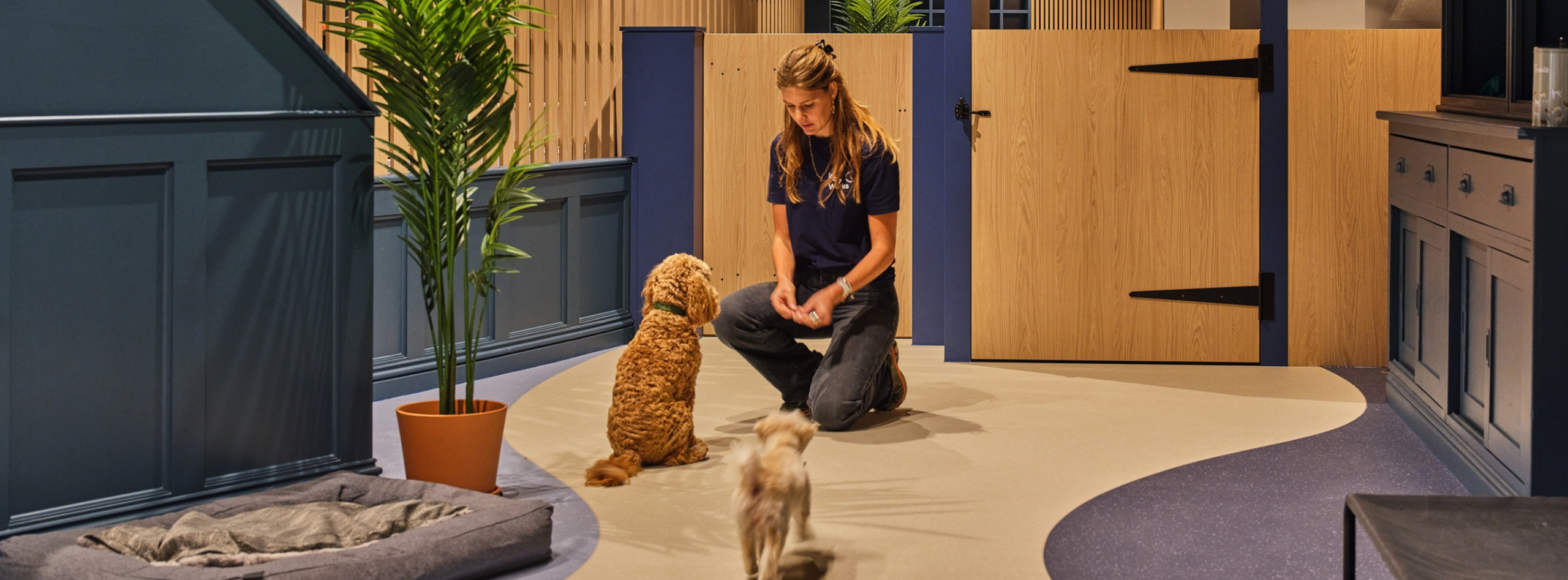
Dog Socialisation: Why It Matters and Top Tips
A happy, healthy dog needs more than good food, exercise and a comfortable place to sleep. Just like people, dogs thrive on connection, and dog socialisation is a big part of that.
This is Connect, the third of the five ingredients in A Good Dog Day. Below, we cover what socialisation really means, why the puppy socialisation window matters, how to socialise a dog or puppy, and how to build a stronger bond with your dog.
Why Dog Socialisation and Connection Matter
Connection helps dogs feel safe, confident and able to navigate the world around them. It strengthens the bond between dogs and their owners, supports positive relationships with other dogs and people, and helps dogs adapt to the environments they meet every day.
For city dogs especially, connection and socialisation aren’t optional extras. They’re essential parts of wellbeing.
What Is Dog Socialisation?
When people hear the word “socialisation”, they often picture dogs playing together in a park. While interactions with other dogs can be part of socialisation, the concept is much broader.
Dog socialisation is the process of helping a dog feel comfortable, confident and secure as they navigate the people, places, experiences and everyday situations they encounter throughout life.
For a city dog, that might include:
- Walking calmly past cyclists and runners
- Travelling on public transport
- Meeting new people
- Visiting cafés and shops
- Experiencing different surfaces, sounds and environments
- Spending time around other dogs without feeling overwhelmed
The goal isn’t for a dog to interact with everyone and everything. It’s to help them feel secure and able to cope with the world around them.
Good socialisation creates confidence. It helps dogs make positive associations with new experiences and reduces the likelihood of fear-based behaviours developing later in life.
Why Connection Matters
Socialisation and connection go hand in hand. Dogs are social animals. They form meaningful relationships with both humans and other dogs, and those relationships play an important role in emotional wellbeing.
Strong connections can help dogs:
- Feel more secure in unfamiliar situations
- Recover more quickly from stressful experiences
- Build confidence in new environments
- Learn appropriate social skills
- Enjoy richer, more fulfilling lives
Connection matters for owners too: Studies suggest that relationships with dogs can improve wellbeing, reduce loneliness and encourage healthier, more active lifestyles. The bond between a dog and their owner is often one of the most rewarding relationships people experience. When that relationship is nurtured, both benefit.
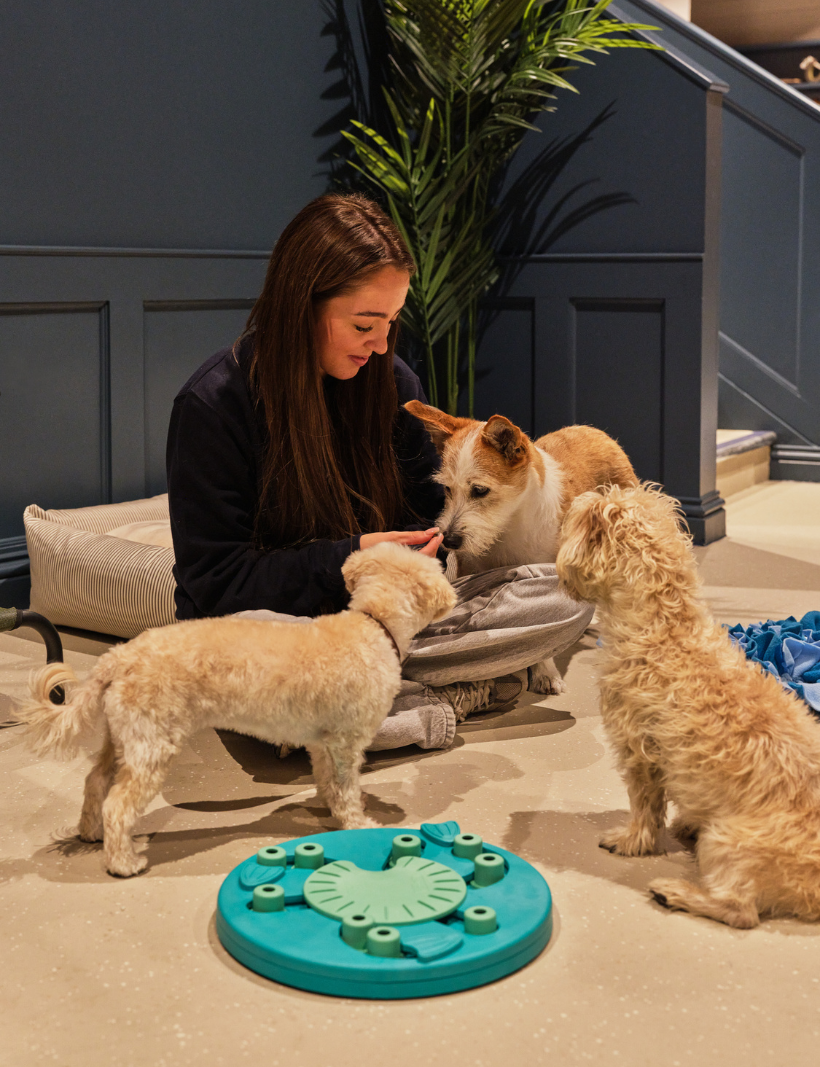
Puppy Socialisation and the Socialisation Window
Puppy socialisation starts with one of the most important concepts in canine behaviour: the puppy socialisation window.
This is a critical early developmental period, typically between around three and fourteen weeks of age, when puppies are especially receptive to learning about the world around them. Experiences during this time can have a lasting impact on how a dog responds to people, environments and situations later in life.
Positive exposure to a variety of sights, sounds, people and experiences during this period helps puppies grow into confident adults. A lack of exposure can sometimes make situations feel unfamiliar or overwhelming later on.
This is why puppy socialisation is such an important part of early development.
Of course, socialisation doesn’t stop once the puppy stage ends. Dogs continue learning throughout their lives, and positive experiences remain valuable at every age. See below for how to socialise an adult dog.
How to Socialise a Dog
Whether you’re socialising a puppy or an adult dog, the principles are the same: go at your dog’s pace and keep experiences positive.
- Start small. Begin somewhere quiet before moving on to busier places.
- Let your dog choose. Give them space to approach in their own time, and never force a greeting.
- Reward calm behaviour. Treats and praise help new experiences feel like good ones.
- Watch for signs they’ve had enough. If your dog seems unsure, create some distance and try again another day.
Puppies: Use the socialisation window for short, positive introductions to new sights, sounds and people. A structured Puppy Class is a good way to start.
Adult dogs: It’s never too late. Adult dogs may just need smaller steps and more time, but there’s loads of ways to continue helping them socialise with other dogs and connect positively to their environment.
What Good Socialisation Looks Like
A well-socialised dog isn’t necessarily the most outgoing dog in the room. In fact, good socialisation often looks surprisingly calm.
A socially confident dog may:
- Walk comfortably through busy streets
- Ignore distractions when appropriate
- Settle calmly around other dogs
- Recover quickly from unexpected situations
- Feel relaxed in new environments
- Choose interaction without needing it constantly
Above all, a well-socialised dog is simply comfortable being part of the world around them.
Dog Socialisation at WagWorks, Fulham and Islington
At WagWorks, building relationships is at the heart of everything we do. Our mission has always been about more than providing excellent care. We’re here to help strengthen the relationship between dogs and their owners while supporting every dog’s individual wellbeing journey.
That starts from day one. Our onboarding process helps us understand each dog’s personality, social preferences and behavioural needs. By taking the time to get to know every dog as an individual, we can create experiences that support positive social development and emotional wellbeing.
In daycare, dogs are grouped based on temperament, play style and energy – and supported by experienced team members who understand canine communication and behaviour. This helps create positive interactions, appropriate play opportunities and safe social experiences.
We also work with owners, sharing behavioural insights, celebrating milestones and offering guidance on social development, so progress carries on outside the club.
Looking for dog socialisation in London? Find out more about dog daycare at our Fulham and Islington clubs.
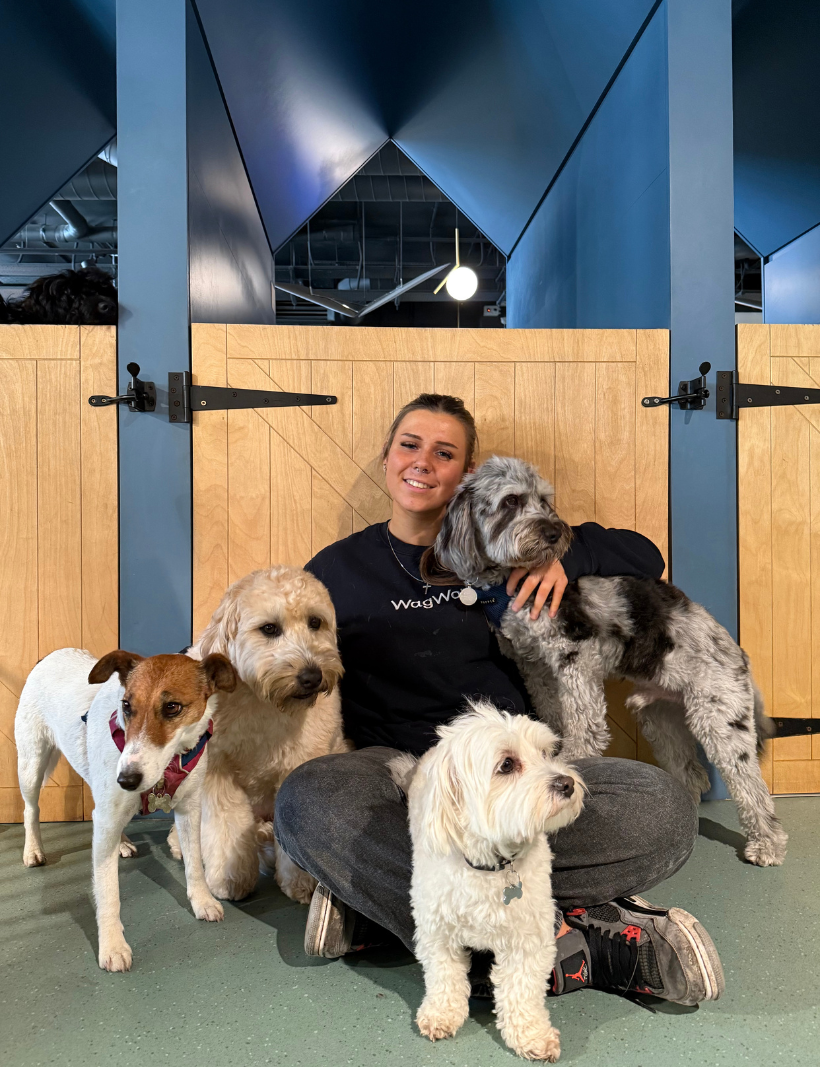
How to Bond With Your Dog
Learning how to bond with your dog doesn’t require complicated training plans or hours of extra time. The strongest relationships are built through consistent, everyday moments.
Here are some simple ways to strengthen your connection:
1. Spend Quality Time Together
Dogs value attention and shared experiences. A walk, a game, a training session or simply relaxing together can all contribute to a stronger bond.
2. Use Positive Reinforcement
Rewarding behaviours you want to see helps build trust and communication. It also creates positive associations between you and your dog.
3. Learn What They Like and How They Communicate
Every dog is different. Some love social play, others prefer quieter activities. Pay attention to their body language, from ears and tail to posture and eye contact, and you’ll soon learn what they enjoy and when they’ve had enough. The better you read them, the easier it is to respond to their needs and build trust and respect.
4. Be Consistent
Predictability helps dogs feel safe. Consistent routines, expectations and responses help build confidence and trust over time.
Connection is a big part of a good dog day, and it’s built in small, everyday moments. Explore the other ingredients in A Good Dog Day, or find out more about daycare at our Fulham and Islington clubs.