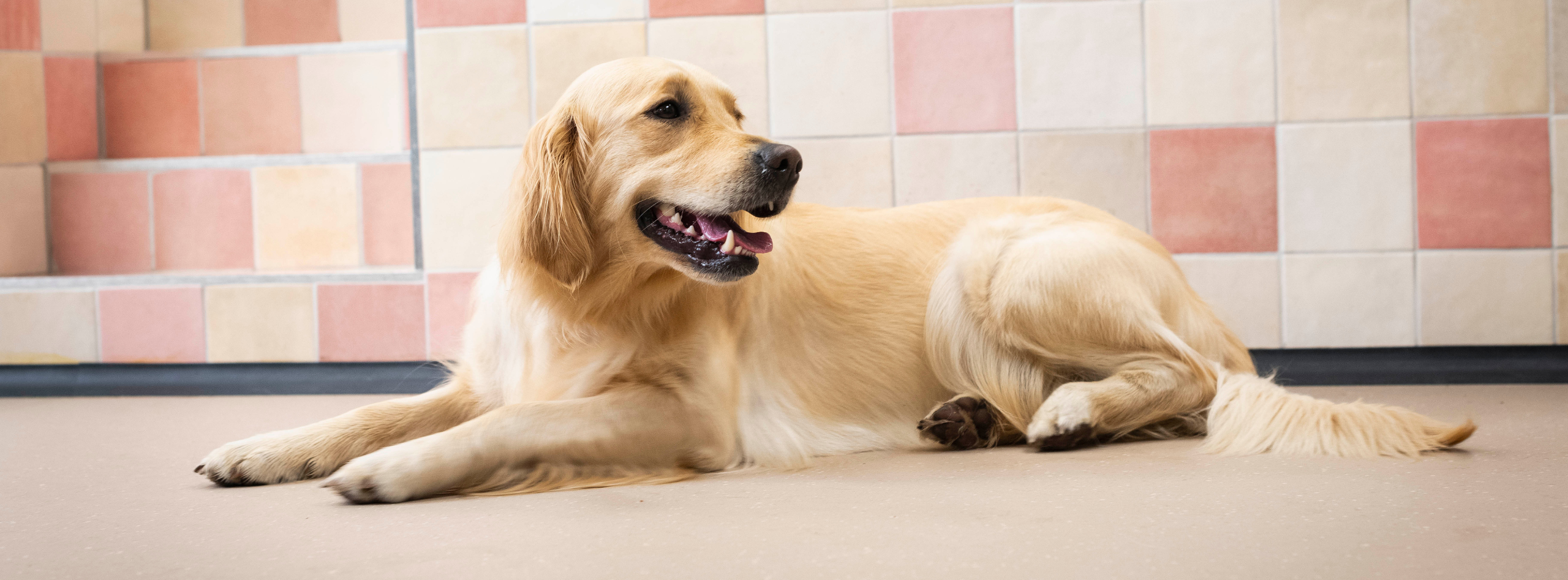
How long should dogs sleep? Rest, Recovery and Downtime Explained
How long should dogs sleep? Most adult dogs sleep 12-14 hours a day, puppies need 18-20 and seniors often need 14-18. So if you’ve ever wondered whether your dog is sleeping too much, the short answer is probably not.
But sleep is only part of the picture. Dogs also need time to rest, recover and decompress between activities. The happiest, healthiest dogs aren’t constantly on the go. Their days mix play, exploration, social time and proper downtime.
How Much Sleep Does a Dog Need?
The amount of sleep a dog needs depends on several factors, including age, health, lifestyle and breed.
As a general guide:
Puppies: 18–20 Hours Per Day
Puppies do a huge amount of physical and mental development in their first year, and sleep supports growth, learning and emotional regulation. Don’t be surprised if your puppy spends more time asleep than awake. Frequent naps are completely normal.
Adult Dogs: 12–14 Hours Per Day
Most healthy adult dogs sleep somewhere between 12 and 14 hours every day.
That sleep may be spread across multiple periods rather than one long stretch. Dogs are naturally polyphasic sleepers, meaning they sleep and rest at various points throughout the day.
Senior Dogs: 14–18 Hours Per Day
As dogs age, they often need more rest. Older dogs may tire more easily and require additional sleep to support recovery and overall wellbeing.
As with people, quality rest becomes increasingly important as the body changes over time.
Why Rest Matters Just as Much as Sleep
Sleep is where recovery happens. During rest, dogs recover from both physical exertion and emotional stimulation. Their bodies process the events of the day and recover from stress hormones such as adrenaline and cortisol. Without enough opportunities to rest, those stress levels can begin to build.
This matters especially for city dogs, whose days are full of sights, sounds, smells and social encounters. Those experiences are enriching, but they take time to process. A busy day isn’t necessarily a good day if there’s no downtime in it.
Signs Your Dog May Need More Rest
Many owners assume that a dog who seems hyperactive, restless or destructive simply needs more exercise. In reality, the opposite is often true.
When dogs become overtired or overstimulated, they can struggle to regulate their behaviour. The result may look like excess energy, but it can actually be a sign they need more rest.
Some common signs include:
- Difficulty settling down
- Increased restlessness
- Excessive barking
- Chewing furniture or household items
- Becoming more reactive than usual
- Struggling to focus during training
- Appearing constantly “on the go”
Dogs experiencing prolonged stress can also become more prone to exaggerated behaviours because stress affects emotional regulation and impulse control.
Sometimes the most helpful thing you can offer an overstimulated dog isn’t another activity. It’s the opportunity to switch off.
“Rest is one of the most overlooked parts of canine wellbeing. We often focus on exercise, enrichment and socialisation, but recovery is equally important. Dogs need time to process experiences, regulate stress levels and recharge. Building regular opportunities for rest into a dog’s routine can have a significant impact on both their physical health and emotional wellbeing.” – Winkie Spiers, In-House Dog Behaviourist
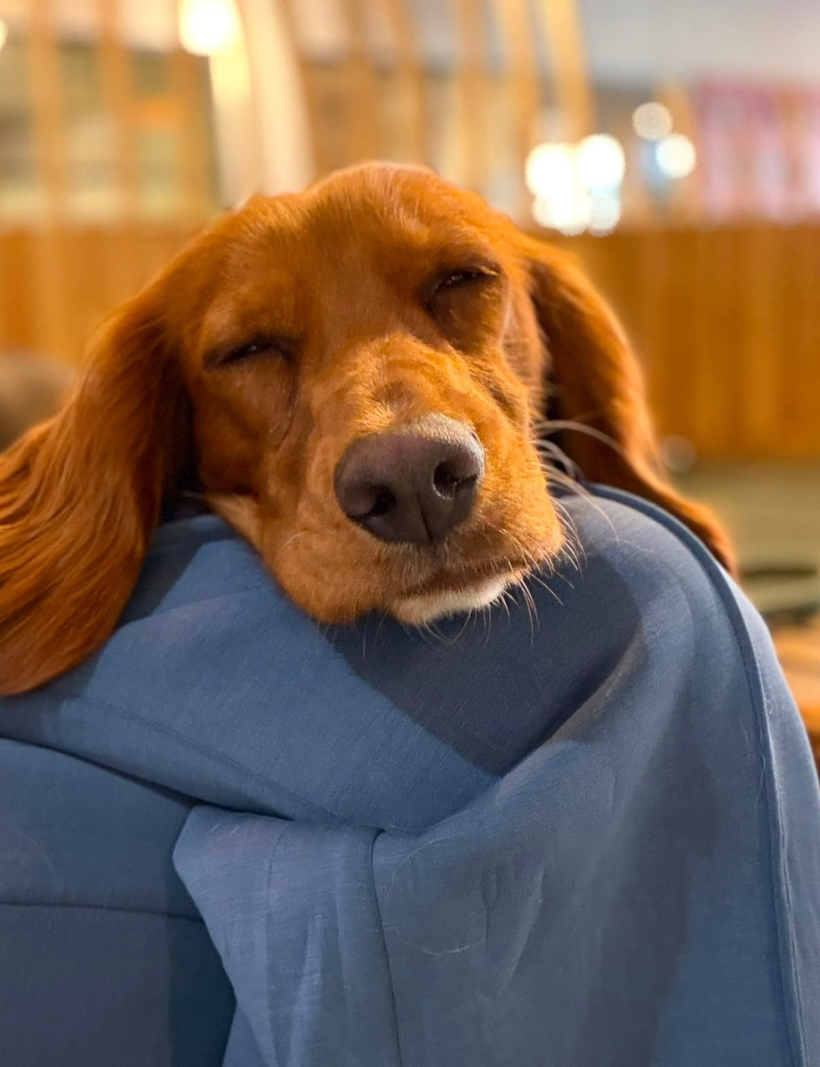
How WagWorks Builds Rest Into Every Day
At WagWorks, we believe dogs need balance. Exercise, enrichment, socialisation and play are all important, but so is rest. That’s why downtime receives the same care and attention as our walks, activities and social experiences.
Our daily routines are designed to balance activity with recovery. Dogs have time to play, explore, socialise and learn, alongside two structured rest periods every day.
It’s common to hear dog owners say, “My dog comes home exhausted, which is great.” A happy, tired dog at the end of a good day is lovely. But a dog who’s completely wiped out every day isn’t a sign the day went well. It can mean they’ve had too much and not enough time to switch off.
If we were coming home completely exhausted every day, we’d probably take a closer look at our routine and ask whether it was sustainable. Dogs are no different.
The goal isn’t to send dogs home exhausted. It’s to send them home fulfilled.
When dogs have the right balance of activity and downtime, they’re better able to regulate emotions, recover from stimulation and enjoy everything the day has to offer.
Why Resting Around Other Dogs Matters Too
One of the most overlooked benefits of healthy socialisation is learning how to relax around others.
A well-socialised dog doesn’t need to play constantly. They can comfortably share space with other dogs, observe what’s happening around them and settle when appropriate.
Dogs naturally learn from one another through observation, particularly when they feel safe and comfortable within their environment. This means rest time can be social time too.
Whether it’s dozing alongside a familiar friend or quietly observing the world around them, these calm shared experiences help build confidence, emotional resilience and positive social skills.
Three Ways to Improve Your Dog’s Rest Routine at Home
Winkie, our In-House Behaviourist, shares three simple ways to help.
Create a Dedicated Rest Space
Dogs often have preferences about where they relax. Some like elevated spaces, some prefer being close to family activity and others seek quieter areas away from the action.
Offer a couple of options, such as a bed in a calm room and one near where you spend time, and let your dog choose.
Schedule Downtime After Busy Activities
After walks, daycare sessions, training classes or social outings, give your dog a quiet period to recover.
Don’t Mistake Tiredness for Boredom
If your dog seems restless after a particularly busy day, consider whether they might need more rest rather than more activity.
A calm environment, a comfortable sleeping area and an opportunity to switch off can sometimes be more beneficial than another game or walk, perhaps with a tasty chew to help them settle!
A good day includes downtime
Remember rest is part of wellbeing. The healthiest routines balance activity with recovery, excitement with calm and play with quality downtime. When dogs have the opportunity to rest, recover and recharge, they’re better equipped to enjoy everything else life has to offer.
Because a good day for a dog isn’t one that’s packed from start to finish. It’s one that includes plenty of time to put their paws up, too.